Many aspiring physicians eventually ask the same important question: How Long Is Medical Residency in Canada? After years of undergraduate education and medical school, residency becomes the next major stage in a physician’s professional journey.
Residency training is where a medical student transitions into hands-on clinical practice under supervision while developing the skills needed to become an independent physician. Although residency is rewarding, it is also one of the most demanding phases of medical training.
Future doctors often focus only on the length of residency, but the experience involves much more than timelines. It includes long work hours, emotional pressure, financial concerns, intense learning environments, and major personal sacrifices. At the same time, residency offers valuable clinical experience, mentorship opportunities, and career growth that shape future physicians.
Understanding How Long Is Medical Residency in Canada helps future doctors prepare for both the professional rewards and the real-world challenges that come with residency training.
How Long Is Medical Residency in Canada?
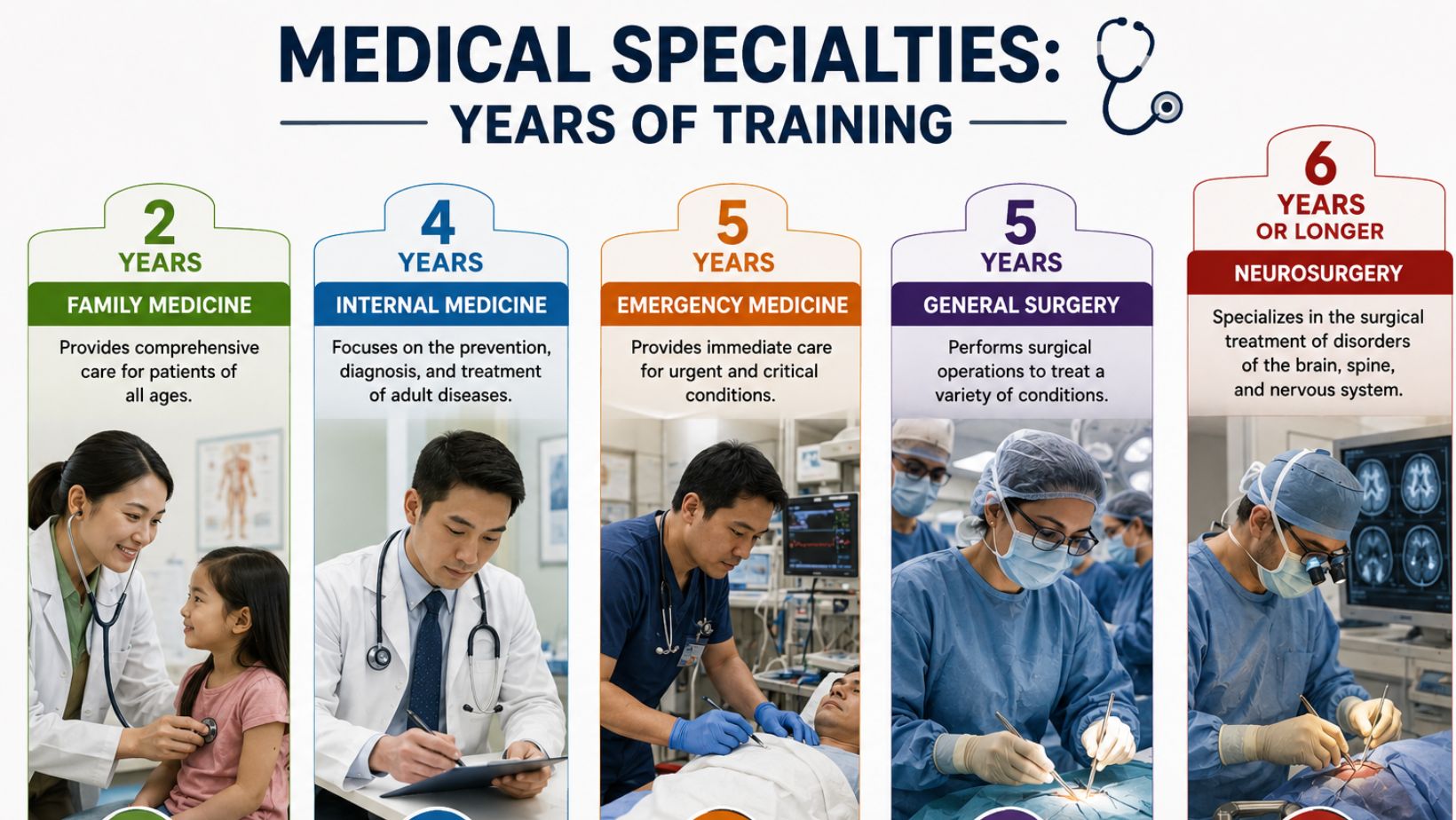
The answer to How Long Is Medical Residency in Canada depends largely on the medical specialty a physician chooses after medical school.
In Canada, residency programs typically range from:
- 2 years for family medicine
- 4 to 5 years for many internal medicine and pediatric specialties
- 5 years or more for surgical specialties
- Additional fellowship years for subspecialty training
For example:
- Family Medicine: 2 years
- Internal Medicine: 4 years
- Emergency Medicine: 5 years
- General Surgery: 5 years
- Neurosurgery: 6 years or longer
Because of these differences, many students also ask how many years is medical residency. The total duration varies depending on specialization, fellowship goals, and career interests.
A medical student considering residency should understand that longer training programs often involve more specialized clinical exposure and advanced procedural training.
Transition From Medical Student to Resident Physician

The transition from medical student to resident physician is often one of the most challenging periods in medical training.
Medical students spend years learning foundational sciences and clinical concepts, but residency introduces real patient responsibility, high-pressure decision making, and long clinical shifts.
As a resident physician, trainees are expected to:
- Evaluate patients independently
- Develop treatment plans
- Communicate with healthcare teams
- Manage emergencies
- Perform procedures under supervision
- Handle increasing levels of responsibility
This transition can feel overwhelming for many new residents because the pace of learning changes dramatically.
At the same time, residency provides opportunities for growth that are difficult to replicate in classroom-based education. Many resident physicians develop confidence, leadership skills, and clinical judgment through direct patient care experience.
Do You Get Paid During Medical Residency?
One of the most common questions future doctors ask is do you get paid during medical residency.
The answer is yes. Resident physicians in Canada receive salaries during their residency training because they are licensed physicians working within healthcare systems under supervision.
However, residency salaries vary by province and training year. Compensation generally increases as residents advance through training.
Although residents are paid, many still face financial pressure due to:
- Student loan debt
- Licensing expenses
- Relocation costs
- Examination fees
- Long working hours
Compared to fully licensed physicians, resident physician salaries are modest considering the workload and responsibility involved.
Despite these financial challenges, many residents view this period as an investment in their long-term medical careers.
Rewards of Medical Residency
Understanding How Long Is Medical Residency in Canada also means understanding why many physicians consider residency worthwhile despite the difficulties.
Clinical Experience
Residency provides hands-on experience that allows future physicians to apply medical knowledge in real-world situations.
Professional Growth
Resident physicians develop communication skills, leadership abilities, and decision-making confidence through daily patient interactions.
Mentorship Opportunities
Many residents work closely with experienced physicians who guide clinical development and career planning.
Career Specialization
Residency allows doctors to pursue specialties aligned with their interests and long-term professional goals.
Personal Achievement
Completing residency is a major milestone that reflects years of dedication, discipline, and perseverance.
For many medical students, these rewards outweigh the challenges and help shape fulfilling medical careers.
Challenges Future Doctors Should Expect

Although residency offers many benefits, the realities can also be difficult.
Long Work Hours
Resident physicians often work overnight shifts, extended hours, and demanding schedules that affect sleep and personal life.
Emotional Pressure
Managing critically ill patients, making complex decisions, and coping with patient outcomes can create emotional stress.
Burnout Risk
Many residents experience physical exhaustion and mental fatigue due to the intensity of training.
Financial Stress
Even though residents are paid, educational debt and training-related expenses can remain significant concerns.
Work-Life Balance Difficulties
Maintaining relationships, hobbies, and personal wellbeing during residency can be challenging.
Understanding these realities helps future doctors prepare mentally and emotionally before entering training programs.
Common Misconceptions About Residency
Many medical students enter residency with unrealistic expectations about the experience.
One misconception is that residency becomes easier after medical school. In reality, the responsibility level increases significantly once patient care duties begin.
Another misconception is that all specialties have the same lifestyle and workload. Different residency programs vary greatly in terms of hours, stress levels, and clinical intensity.
Some students also assume that residency guarantees immediate financial stability. While resident physicians earn salaries, financial pressure often remains during training years.
Understanding these realities early can help future doctors make more informed career decisions.
How Residency Shapes Future Physicians
Residency is more than clinical training. It also shapes professional identity, communication style, and long-term career direction.
Many resident physicians develop resilience, adaptability, and teamwork skills through high-pressure healthcare environments.
The experience also teaches physicians how to balance patient care responsibilities with ethical decision making and professional accountability.
For a medical student preparing for residency, understanding these broader lessons can help create more realistic expectations about the journey ahead.
Preparing for Residency in Canada
Preparing for residency requires more than strong academic performance.
Medical students should focus on:
- Clinical communication skills
- Time management
- Emotional resilience
- Interview preparation
- Specialty exploration
- Networking and mentorship
Future resident physicians should also research program structures, workload expectations, and career opportunities before choosing specialties.
Proper preparation can reduce anxiety and improve transition into residency training.
Future of Medical Residency Training
The future of residency training in Canada is expected to evolve alongside healthcare system changes.
Technology, simulation-based learning, and digital healthcare tools are becoming increasingly integrated into medical education.
At the same time, there is growing awareness surrounding physician wellness and burnout prevention. Many programs are exploring ways to improve support systems for resident physicians.
Healthcare systems are also emphasizing collaboration, communication, and patient-centered care more than ever before.
As residency programs continue evolving, future doctors will likely experience training environments that balance clinical excellence with physician wellbeing more effectively.
Conclusion
Understanding How Long Is Medical Residency in Canada is essential for any medical student preparing for a future in medicine. Residency is a demanding but transformative stage that shapes physicians both professionally and personally.
Although challenges such as long hours, emotional pressure, and financial stress are real, residency also provides valuable clinical experience, mentorship, and career development opportunities that prepare doctors for independent practice.
For future resident physicians, realistic expectations and proper preparation are key to navigating the journey successfully.
For medical students preparing for residency applications, interviews, and career planning, MDconsultants Prep provides guidance, mentorship, and professional support designed to help future physicians navigate the realities of residency training with greater confidence and preparation.