If you are one of the many us international students considering a path into medicine, you are facing a journey that is exciting but also genuinely complex. Between choosing where to study, understanding visa requirements, and figuring out what happens after residency, there is a lot to plan for, especially if your education and training will span both the United States and Canada.
This guide walks you through what you need to know as a US international student applicant, from pre-medical preparation to cross-border practice considerations, so you can make informed decisions at every stage.
Understanding the Path for US International Students
As an US international student applicant, your journey into medicine generally starts well before you apply to medical school itself. You will need to complete an undergraduate degree, maintain a strong academic record, and gain relevant experience through volunteering, research, or clinical exposure, all of which medical schools weigh heavily during admissions.
If you are studying in Canada but identify as part of the broader group of US international students with ties to both countries, you will also need to pay close attention to how your citizenship or visa status affects your eligibility for certain programs, since some medical schools have different application pathways or quotas for international applicants compared to domestic students.
Building a Strong Foundation Through Pre-Medical Studies
Before you can apply to medical school, you will need to complete pre-medical studies that satisfy the prerequisite coursework most programs require. This typically includes coursework in biology, chemistry, physics, and mathematics, along with the development of strong study habits and time management skills that will carry you through the demands of medical training.
Many US international students choose to complete their pre-medical studies at a university in either the US or Canada, depending on where they ultimately plan to apply for medical school. It is worth researching specific prerequisite requirements early, since they can vary between institutions and countries, and gaps in required coursework can delay your application timeline.
Navigating Visa Requirements as a Student
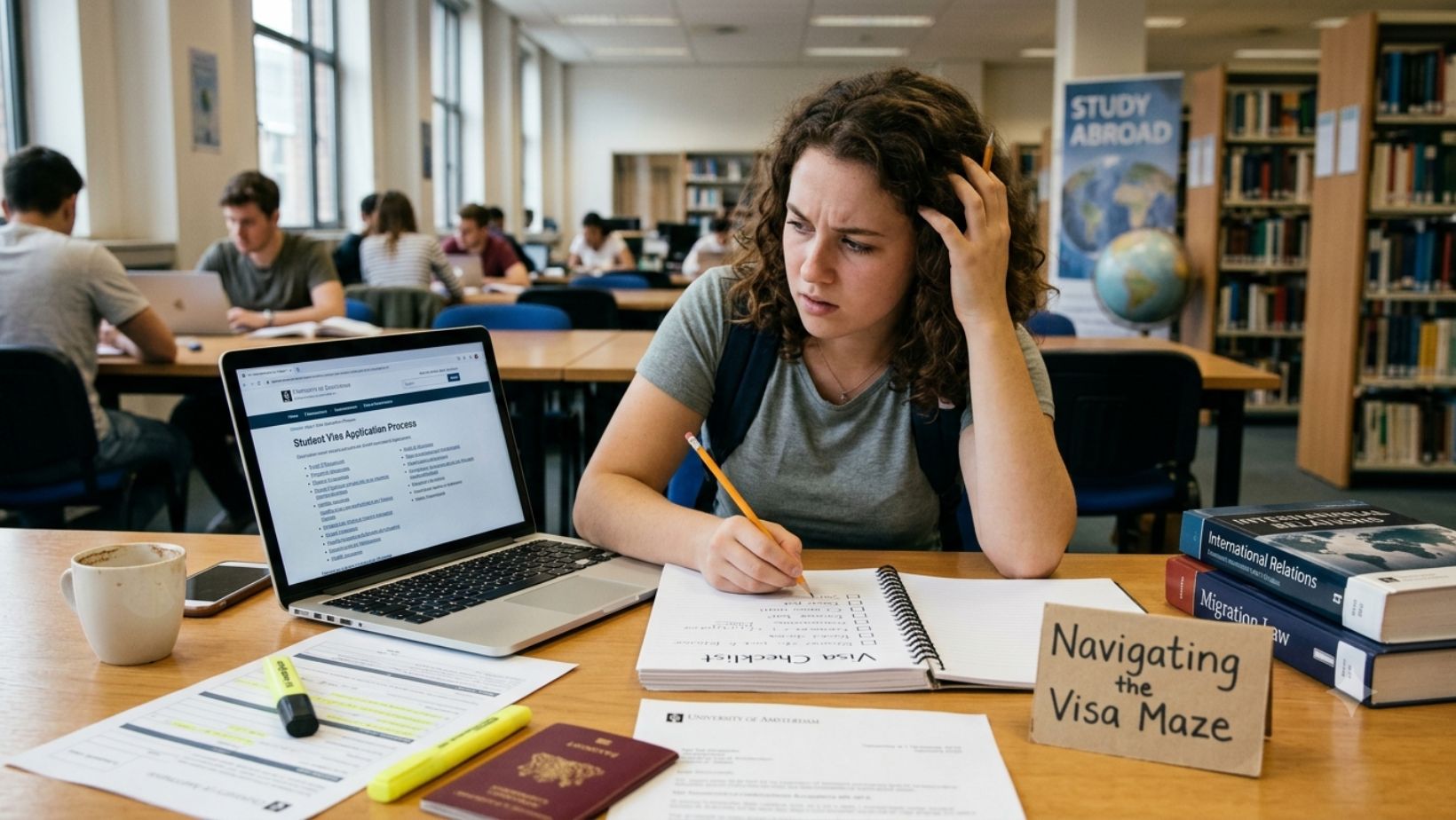
If you are a US international students applicant planning to study, travel, or gain clinical experience across the US-Canada border, understanding visa requirements is essential. Visa rules can affect not only where you study, but also whether you are eligible for certain electives, observerships, or short-term training opportunities in another country.
US Tourist Visa for International Students in Canada
If you are studying in Canada and want to travel to the United States temporarily, for example, to attend a conference, interview, or short academic visit, you will likely need to understand the requirements for a US tourist visa for international students in canada. Generally, international students studying in Canada who hold a valid study permit may be eligible to apply for a US visitor visa (B-2) for short, temporary visits, provided they can demonstrate the purpose of their trip and intend to return to Canada afterward.
Requirements can vary depending on your home country’s citizenship, since visa policies are based on nationality rather than your country of study alone. According to the U.S. Department of State, applicants generally need to demonstrate strong ties to their home country or country of study, sufficient funds for their trip, and a clear, temporary purpose for travel. Because these requirements can change and vary by individual circumstance, it is a good idea to consult the official U.S. Department of State website or a US consulate directly before planning any cross-border travel tied to your medical education.
Applying to Medical School as an International Student
Once you have completed your pre-medical studies, the medical school application process itself can be one of the most demanding stages of your journey. You will need to prepare for entrance exams, write personal statements, secure strong letters of reference, and in many cases, complete interviews that assess both your academic readiness and your interpersonal skills.
As a US international students applicant, you should research each medical school’s specific policies toward international applicants, since acceptance rates, tuition costs, and available funding can differ significantly from those available to domestic students. Some schools may also require additional documentation related to your immigration status before they will consider your application complete.
Can I Practice Medicine in Canada After US Residency
A common question among US international students who complete their training in the United States is whether they can later practice medicine in Canada. The honest answer is that it depends on several factors, including your specific specialty, the equivalency of your US residency training, and the licensing requirements of the Canadian province where you intend to practice.
In general, physicians who complete residency training in the United States may be eligible to apply for licensure in Canada through pathways recognized by the Medical Council of Canada and individual provincial colleges of physicians and surgeons. According to the Medical Council of Canada, internationally trained physicians, including those trained in the US, typically need to complete required licensing examinations and may need to undergo a credential assessment to confirm their training meets Canadian standards. Some provinces also have specific requirements around practice-ready assessments for physicians trained outside Canada, even if that training occurred in the United States.
Because licensing pathways can vary by province and change over time, it is important to consult the Medical Council of Canada directly, along with the relevant provincial regulatory college, before assuming your US training will transfer seamlessly into Canadian practice.
Getting Support From Trained Medical Student Consultants
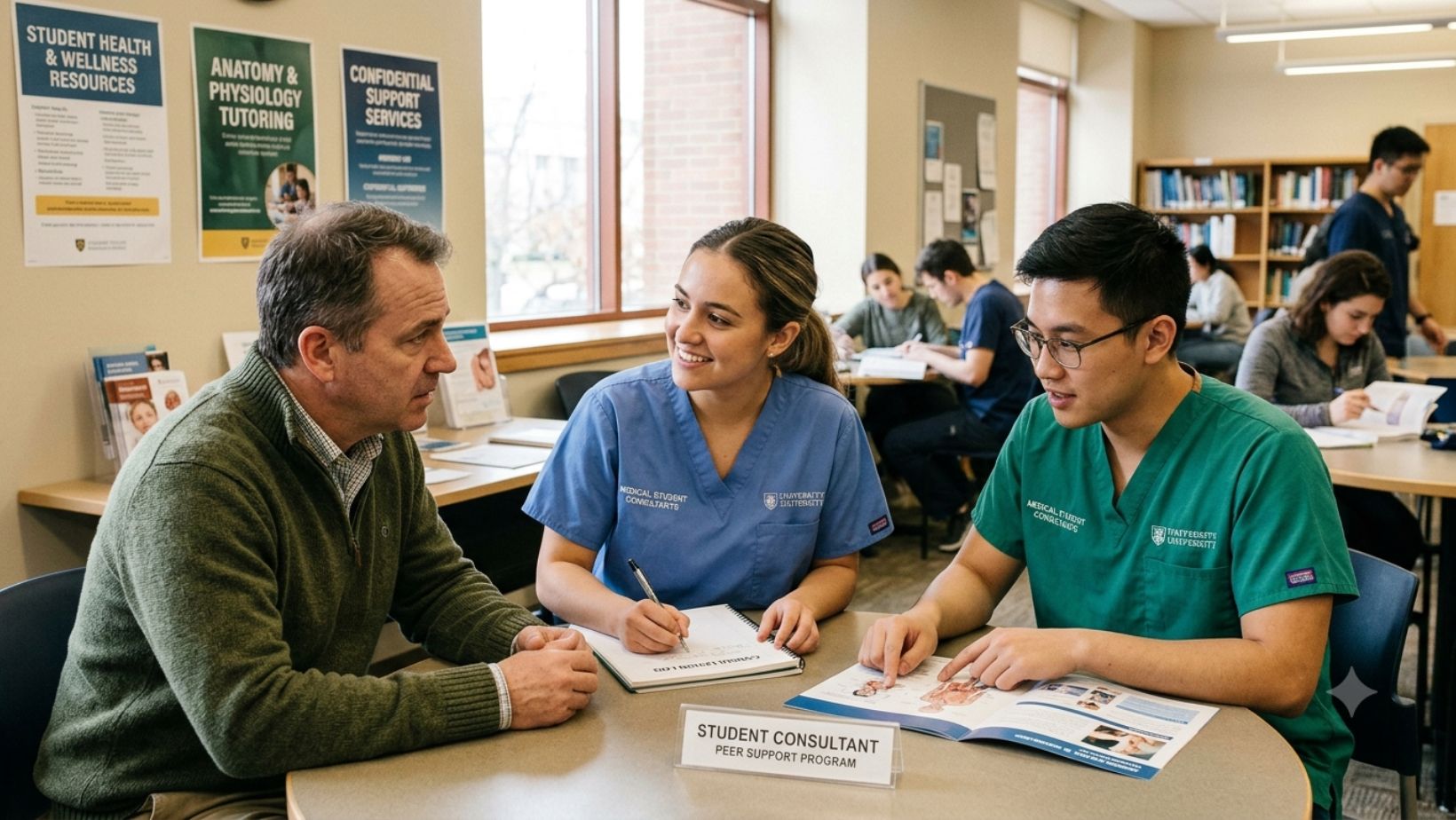
Given how many moving pieces are involved, from pre-medical preparation to visa rules to eventual licensing decisions, many US international students choose to work with trained medical student consultants who specialize in guiding students through cross-border medical education. These consultants can help you understand application strategy, identify which schools are realistic options given your citizenship and academic background, and clarify what steps you will need to take if you eventually want to practice in a country different from where you trained.
Working with experienced guidance early in your journey can help you avoid common mistakes, such as missing prerequisite requirements or misunderstanding visa eligibility, that could otherwise delay your progress toward becoming a licensed physician.
Final Thoughts
If you are among the growing number of US international students considering a career in medicine, your path will likely involve careful planning around pre-medical studies, visa requirements, and eventual licensing decisions, particularly if your training spans both the US and Canada. Understanding the realistic answer to questions like whether you can practice medicine in Canada after US residency, and how a US tourist visa for international students in Canada actually works, will help you build a clearer, more achievable plan for your medical career.
If you want personalized guidance through this process, from pre-medical planning to navigating cross-border training decisions, MDconsultants Prep offers dedicated support to help students like you move forward with confidence.