Residency for a doctor is the stage of postgraduate medical training that follows graduation from medical school. During residency, a newly graduated physician trains under supervision within a hospital or clinical setting, developing the specialty-specific skills, clinical judgment, and procedural competencies required to practice independently. Residency for a doctor is not optional, it is a mandatory step in the path to licensure and independent practice in Canada, regardless of the specialty a physician chooses to pursue.
If you are a medical student wondering what comes next after graduation, or a pre-med student trying to map out the full timeline of a medical career, understanding what residency for a doctor actually involves, how long it lasts, and what to expect along the way, will help you build a clearer and more realistic picture of the journey ahead.
What Residency for a Doctor Actually Means
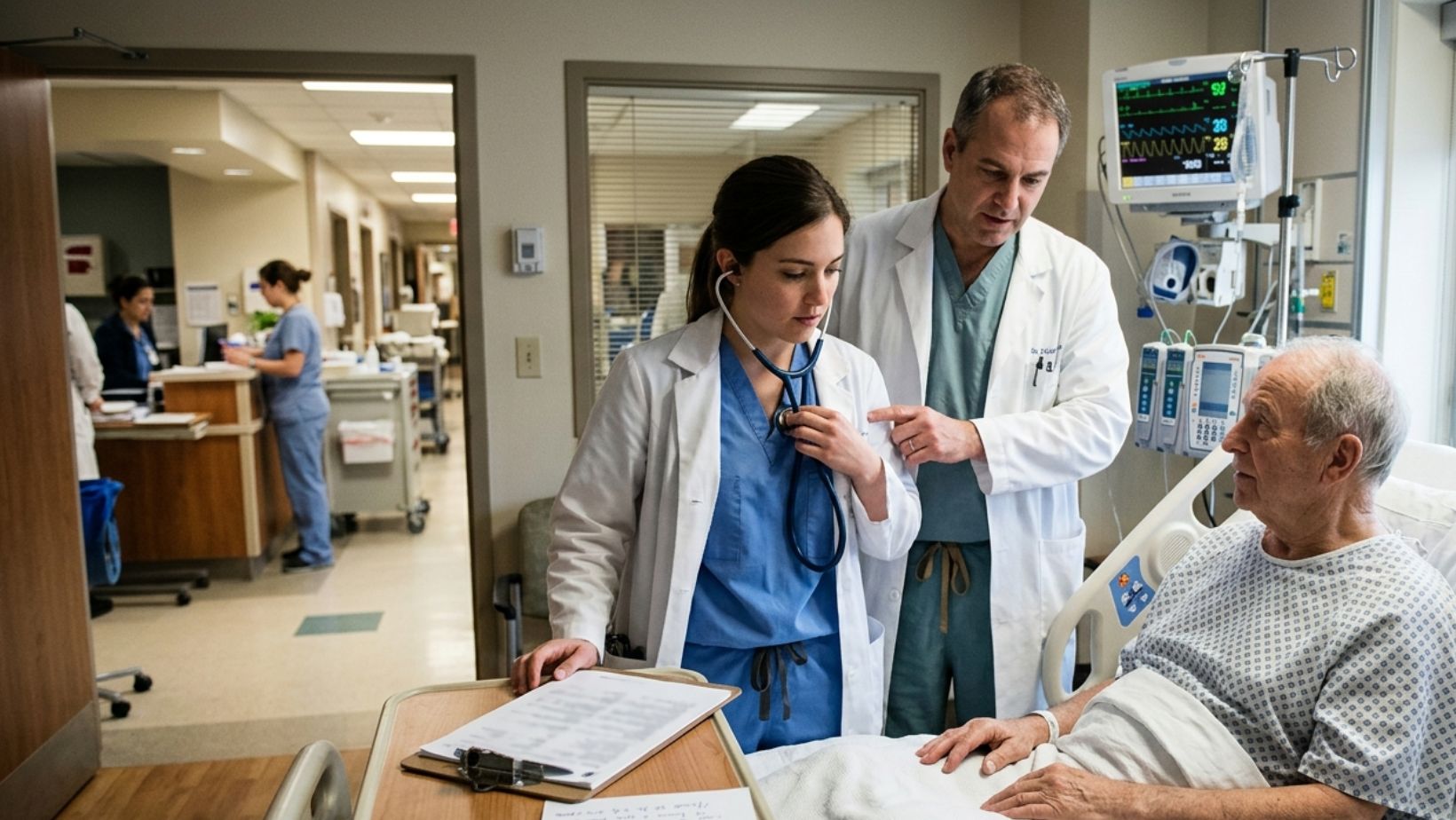
Many people outside of medicine assume that becoming a doctor ends with medical school graduation. But for physicians in Canada, graduation marks the beginning of a new and equally demanding phase of training. Residency for a doctor is the period during which a graduate physician practices medicine under the supervision of licensed senior physicians, applying classroom and clinical knowledge to real patient care in their chosen specialty.
The term resident reflects the historical reality that these physicians once literally resided in hospitals for extended periods. While round-the-clock in-house living is no longer standard practice, the intensity of the work remains significant. Residents are actively involved in patient care, often carrying their own patient panels, making clinical decisions, performing procedures, and participating in rounds, all while continuing to learn and be evaluated by supervisors and program directors.
Residency for a doctor is structured as a formal postgraduate training program, with defined competencies, evaluation milestones, and program requirements that must be met before a resident is eligible to sit for certification examinations and practice independently. In Canada, these programs are overseen by the Royal College of Physicians and Surgeons of Canada for specialty medicine, and by the College of Family Physicians of Canada for family medicine.
How Long Is Medical Residency in Canada
The length of residency for a doctor in Canada depends almost entirely on the specialty chosen, and the range is wider than most people expect. Understanding how long medical residency in Canada takes for different specialties is an important part of planning a medical career, particularly for students weighing the practical implications of pursuing a longer versus shorter training pathway.
Family medicine residency is the shortest postgraduate training program in Canada, lasting two years after medical school graduation. This makes family medicine an appealing pathway for physicians who want to enter independent practice relatively quickly, though the breadth of clinical knowledge required to practice competently in a community setting remains substantial.
Most specialty programs in internal medicine, pediatrics, psychiatry, and obstetrics and gynecology require a minimum of four to five years of residency training after medical school. Surgical specialties generally require five years of core residency training, and some, such as cardiac surgery, neurosurgery, or plastic surgery, extend to six or more years due to the technical complexity and procedural volume required to achieve competence.
For physicians pursuing highly competitive or subspecialty fields, the training timeline extends further through fellowship programs that follow the completion of core residency. A cardiologist, for example, completes a five-year internal medicine residency, then a three-year cardiology fellowship, before becoming eligible for independent subspecialty practice. This means the total postgraduate training period from medical school graduation to independent practice can range from two years for a family physician to ten or more years for a surgical subspecialist.
Understanding the full length of training involved in a given specialty is one of the most important considerations a medical student can make when choosing their career path, since it affects not only the timeline to independent income but also personal lifestyle, relationship planning, and financial strategy throughout training.
What Daily Life Looks Like During Residency
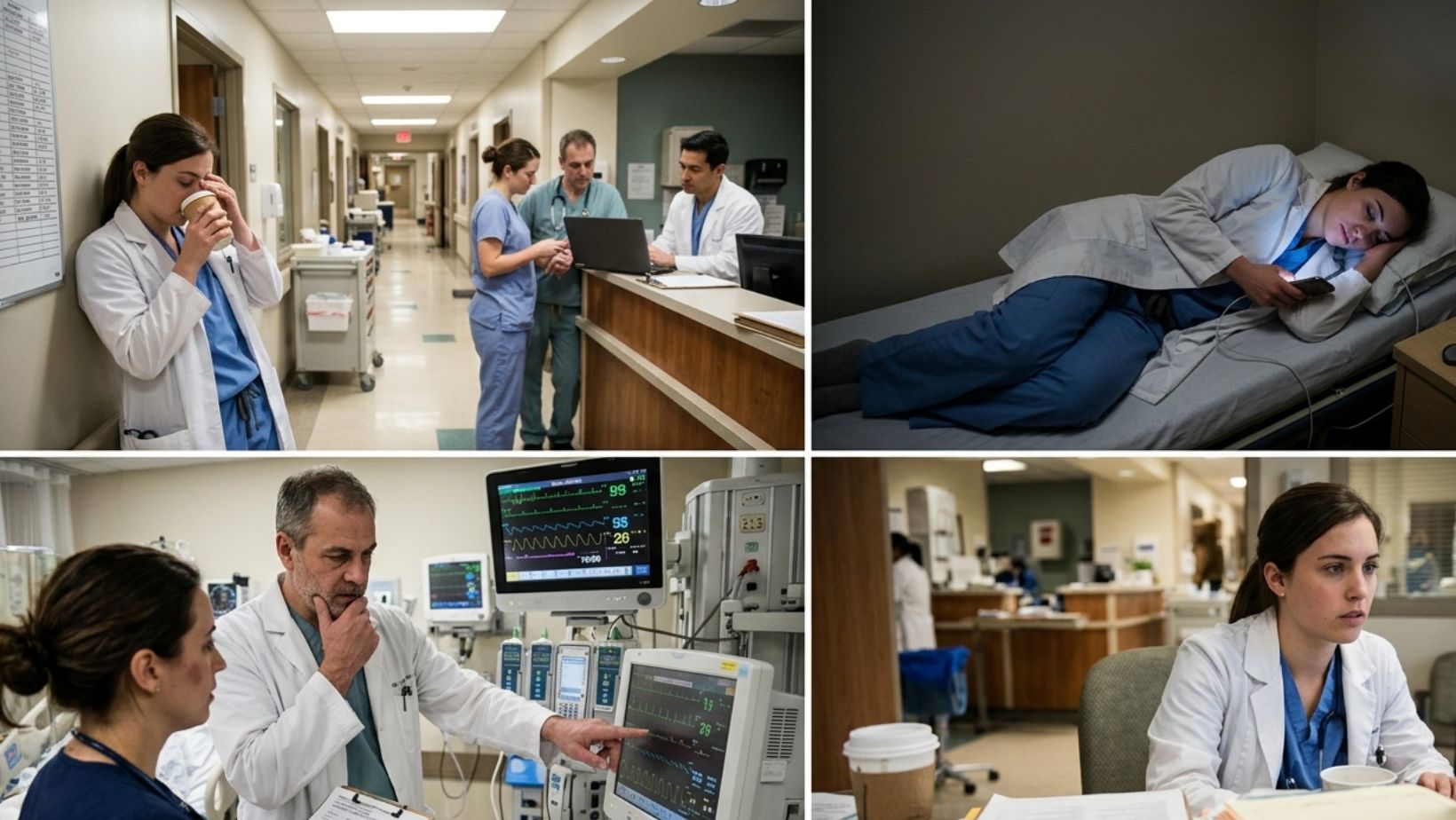
One of the questions that medical students most frequently ask is what residency for a doctor actually feels like from day to day. The honest answer is that it is demanding, rewarding, and at times genuinely difficult, often within the same shift.
Residents work long hours, with schedules that frequently include overnight call shifts, weekend rotations, and extended clinical days. While duty hour restrictions have been introduced in many Canadian training programs to address concerns about physician fatigue and patient safety, residency remains one of the most time-intensive phases of a physician’s career. The volume of clinical responsibility increases progressively as residents advance through their program, with junior residents closely supervised and senior residents taking on more independent decision-making roles.
Beyond the clinical workload, residency for a doctor also involves academic responsibilities including attending rounds, participating in teaching sessions, completing research requirements, and preparing for in-training examinations that evaluate progress through the program. Balancing these demands alongside patient care requires a level of organizational discipline and personal resilience that few other career paths require in the same way.
Despite the challenges, most physicians reflect on their residency years as foundational to their development. The intensity of the experience accelerates clinical judgment in ways that classroom learning simply cannot replicate, and the relationships built with colleagues, mentors, and patients during this period often shape a physician’s professional identity for the rest of their career.
How Residents Are Matched to Programs in Canada
Residency for a doctor in Canada begins with the Canadian Resident Matching Service, known as CaRMS. This is the national system through which graduating medical students apply to residency programs, interview with programs, and are ultimately matched to a training position based on ranked preferences submitted by both applicants and programs.
The CaRMS match is a high-stakes process that takes place in the final year of medical school, and its outcome has significant implications for where a physician will train, in which specialty, and often in which city or province. Competitive specialties such as dermatology, ophthalmology, and orthopedic surgery historically receive far more qualified applicants than available positions, making strong academic performance, research experience, and strategic application preparation essential for applicants targeting these fields.
Understanding how the match process works, which factors programs weigh most heavily, and how to present a competitive application is something that many medical students underestimate until they are already deep in the process. Seeking guidance early, ideally during the second or third year of medical school, gives applicants the time needed to build a profile that reflects genuine preparation rather than last-minute effort.
What Makes a Competitive Residency Applicant
If you are a medical student thinking ahead to your residency application, or a pre-med student thinking even further ahead, it is worth understanding what programs actually look for when evaluating candidates for residency for a doctor positions.
Academic performance remains a central factor, particularly for competitive specialties. Strong grades in medical school, performance on licensing examinations, and class standing relative to peers all contribute to how an applicant is perceived during the initial screening phase. However, academic achievement alone is rarely sufficient for the most competitive programs.
Research experience is valued across virtually all specialties, with publications, presentations, and demonstrated scholarly work distinguishing applicants who have engaged seriously with the academic dimensions of medicine. Reference letters from respected clinicians and educators who can speak to a candidate’s clinical skills, work ethic, and professional character carry significant weight. Personal letters that articulate a clear, authentic motivation for a chosen specialty and a compelling narrative about the applicant’s path to medicine are among the most read and most impactful components of any residency application.
The Transition From Residency to Independent Practice
Completing residency for a doctor marks the transition to independent clinical practice, but for many physicians the learning does not stop there. Fellowship training, continuing medical education, and ongoing professional development remain part of a physician’s career long after residency ends.
For physicians who go on to take on consulting, advisory, or leadership roles alongside their clinical work, the skills developed during residency for a doctor, clinical reasoning, communication under pressure, managing complexity, and working within systems, provide a foundation that extends well beyond the hospital environment.
Medical students and residents interested in how clinical training connects to broader professional opportunities, including consulting, health technology, and healthcare leadership, will find that the competencies developed during residency are among the most transferable assets a physician can hold. According to the Canadian Medical Association, supporting physician career development through and beyond residency is a priority for improving both physician well-being and the overall strength of Canada’s healthcare system.
Final Thoughts
Residency for a doctor is one of the most defining experiences in a physician’s career. It is the bridge between the theoretical knowledge of medical school and the practical reality of independent clinical practice, and it shapes not only clinical skills but professional identity, personal resilience, and long-term career direction.
Whether you are a pre-med student mapping out your path, a medical student preparing for the CaRMS match, or someone simply trying to understand what the life of a physician in training actually looks like, knowing what residency for a doctor involves is an essential piece of the picture.
If you are preparing for medical school, the residency match, or any stage of the journey toward becoming a physician, MDconsultants Prep offers expert resources and structured support designed specifically for future Canadian doctors.