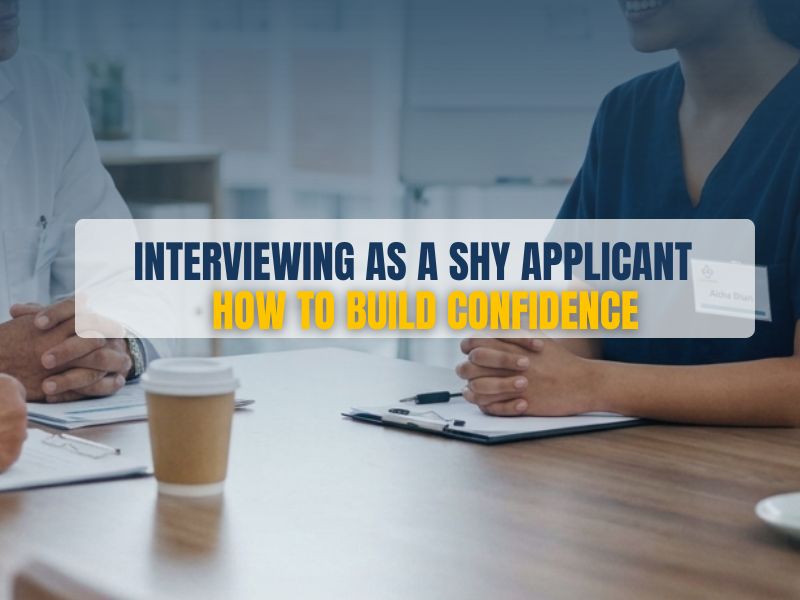
One of the most common themes in medical school interviews is Conflict Resolution. Admissions committees are not just evaluating your academic performance. They want to understand how you handle pressure, communicate with others, and navigate difficult situations in a professional environment.
For every aspiring medical student, conflict is inevitable. Whether it is a disagreement during group work, a misunderstanding in a clinical setting, or a challenging interaction with a peer, how you respond matters more than the conflict itself. This is why interviewers frequently ask behavioural questions focused on conflict.
This guide will help you understand how to answer these questions effectively, structure your responses, and demonstrate the qualities medical schools are looking for.
What is an example of a conflict resolution interview question as a medical student?
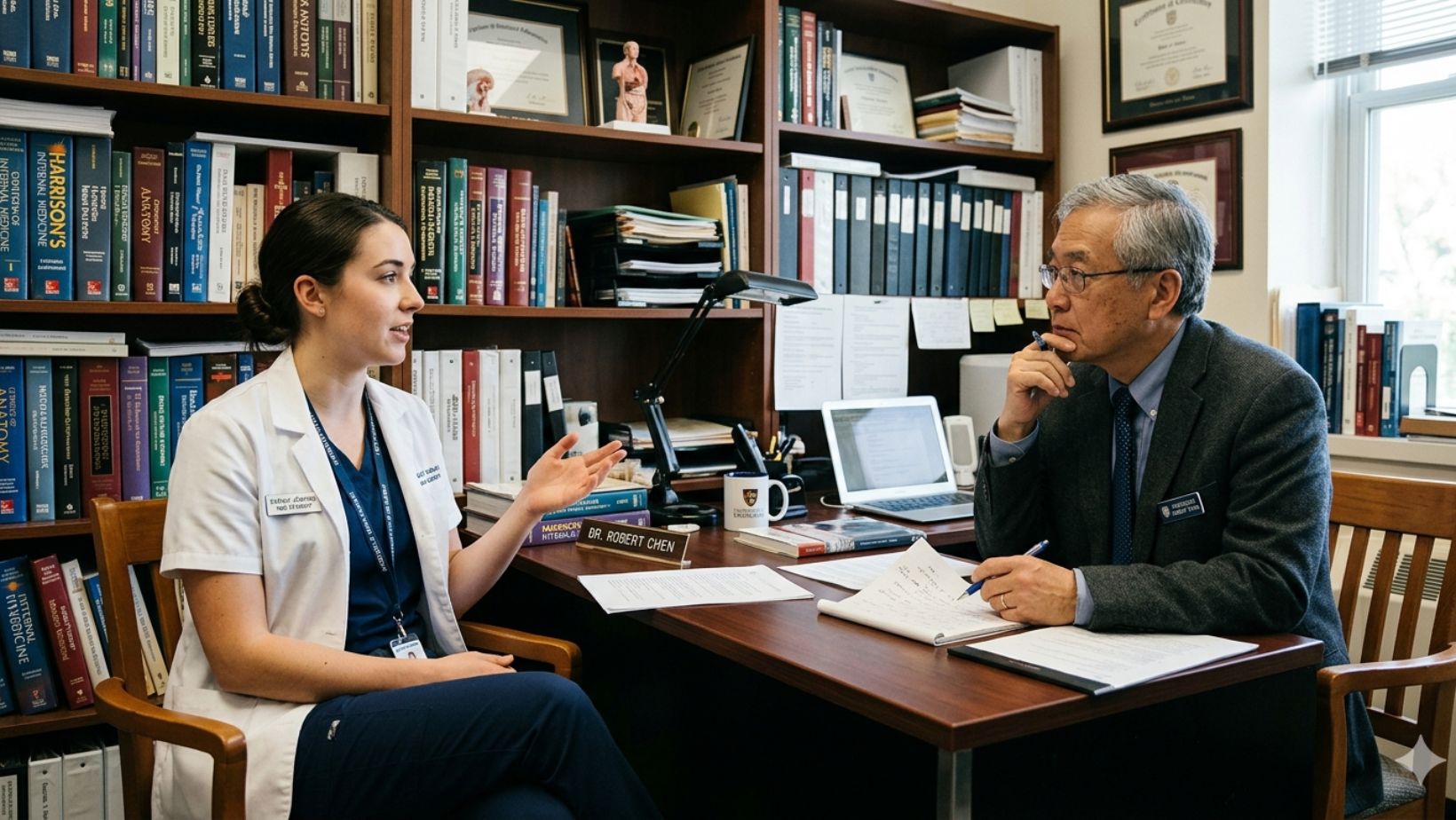
A common example is: “Tell me about a time you had a disagreement with a teammate during a clinical rotation and how you handled it.” This question assesses your ability to stay professional, communicate effectively, and prioritize patient care under pressure.
What are the 5 C’s of conflict resolution?
The 5 C’s of conflict resolution are Calm, Clarify, Communicate, Collaborate, and Compromise. These steps help individuals manage disagreements constructively by reducing emotion and focusing on solutions.
What are discussion questions for conflict resolution students?
Examples include: “How do you respond when a team member disagrees with your clinical decision?” and “What strategies help prevent escalation during high-stress medical situations?” These questions encourage reflection on communication, teamwork, and professionalism in healthcare settings.
Why Conflict Resolution Matters in Medical School Interviews
Medicine is a collaborative field. Doctors work with nurses, patients, administrators, and other healthcare professionals every day. Miscommunication and disagreements can happen, and poor handling of these situations can affect patient care.
Admissions teams want to know if you can:
- Communicate clearly under pressure
- Remain calm in challenging situations
- Show empathy and professionalism
- Work effectively within a team
Strong Conflict Resolution skills show that you are prepared for the realities of medical school and future clinical environments.
Common Conflict Resolution Interview Questions
You will often encounter variations of these questions:
- Tell me about a time you had a conflict with a teammate
- Describe a disagreement and how you handled it
- What would you do if a colleague disagreed with your approach?
- How do you manage difficult personalities?
These questions are not looking for perfect situations. Interviewers are interested in your thought process, your actions, and what you learned.
The Best Structure for Answering Conflict Questions
A clear structure helps you stay focused and present your experience effectively. The most recommended approach is the STAR method:
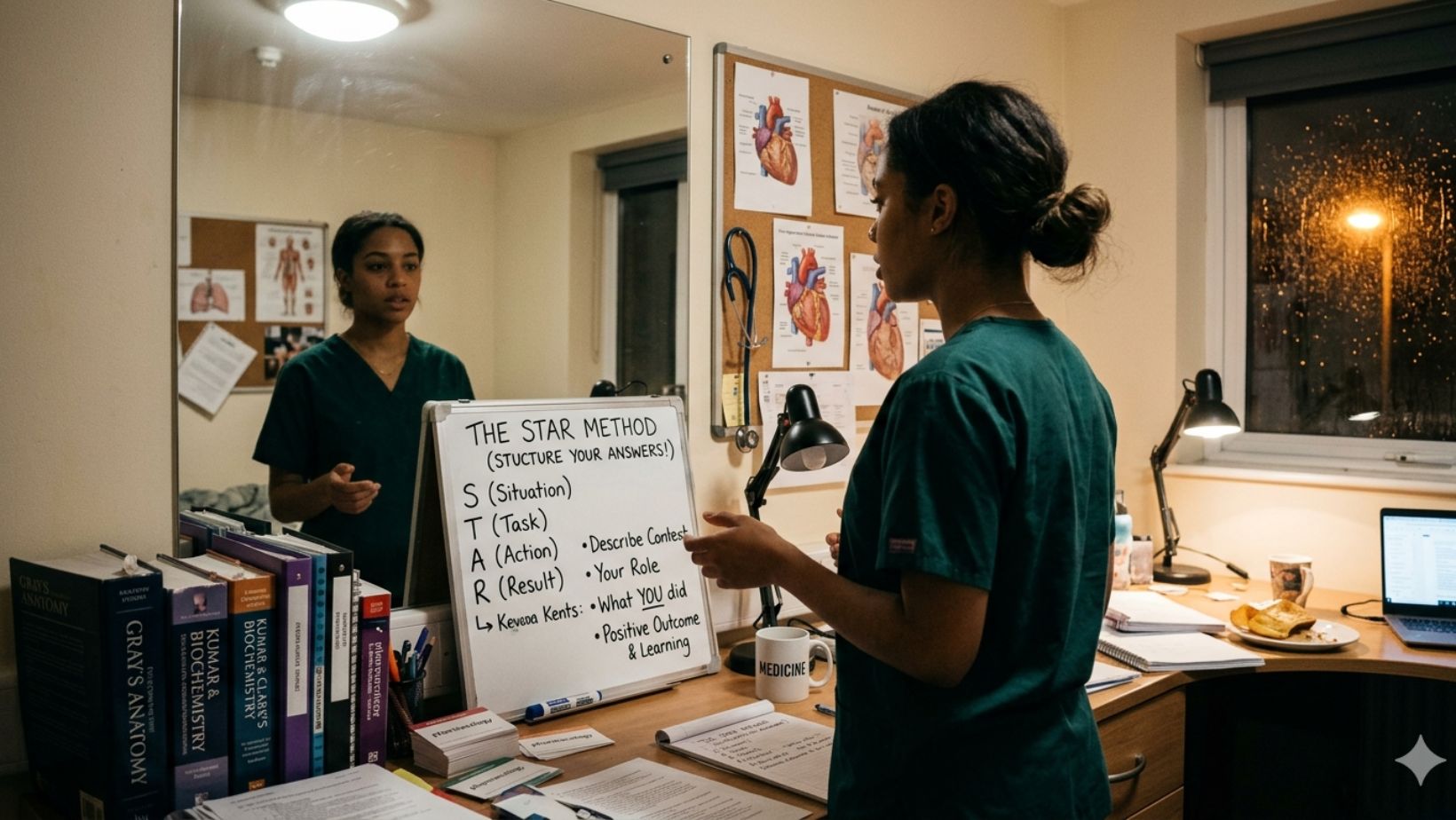
Situation
Briefly explain the context of the conflict.
Task
Describe your role and responsibility in that situation.
Action
Explain what you did to resolve the issue.
Result
Share the outcome and what you learned.
Using this structure ensures your answer is organised and easy to follow.
Example Answer Using STAR Method
Here is a sample response tailored for a Medical Student applicant:
Situation: During a group project, one team member consistently missed deadlines, which affected our progress.
Task: As part of the team, I needed to ensure we completed the project on time while maintaining a positive group dynamic.
Action: I approached the team members privately to understand their situation. It turned out they were overwhelmed with other commitments, so we adjusted responsibilities and set clearer timelines.
Result: The project was completed successfully, and communication within the team improved. I learned the importance of addressing issues early and with empathy.
What Interviewers Are Really Looking For
When answering Conflict Resolution questions, your story matters, but your approach matters more.
Admissions committees evaluate:
- Emotional intelligence
- Communication skills
- Accountability
- Ability to reflect and improve
They are not expecting perfection. They want to see growth, maturity, and self-awareness.
Common Mistakes to Avoid
Many applicants lose marks because of avoidable mistakes.
Blaming others
Avoid making the other person look bad. Focus on your actions instead.

Choosing extreme conflicts
You do not need a dramatic story. Simple, realistic situations are often more effective.
Skipping reflection
Always explain what you learned and how it will help you in the future.
Being too vague
Specific details make your answer more credible and memorable.
Types of Conflict You Can Use in Your Answer
You do not need clinical experience to answer these questions. Many strong examples come from everyday situations.
You can talk about:
- Group projects at school or university
- Volunteer experiences
- Workplace disagreements
- Leadership roles
- Team activities or sports
The key is showing how you handled the situation professionally.
How Conflict Resolution Applies in Medicine
In medical school and clinical practice, conflict can arise in many ways:
- Differences in clinical opinions
- Miscommunication within teams
- Challenging patient interactions
- High-pressure environments
Developing strong Conflict Resolution skills early prepares you for these real-world scenarios. It also helps you become a more effective and compassionate healthcare professional.
Tips to Strengthen Your Answers
To stand out in your interview, focus on these strategies:
Be honest
Choose real experiences that reflect your genuine behaviour.
Show empathy
Demonstrate that you considered the other person’s perspective.
Stay professional
Highlight calm and respectful communication.
Emphasise learning
Explain how the experience helped you grow.
How Preparation Makes a Difference
Many applicants underestimate the importance of practising these questions. Strong answers do not come from memorisation. They come from understanding your experiences and being able to articulate them clearly.
Working with experts in md consulting or joining a medical consultants network can help you refine your answers, identify your strongest examples, and build confidence before your interview.
Conclusion
Conflict Resolution is a critical skill that medical schools actively assess during interviews. It reflects your ability to work in teams, communicate effectively, and handle challenges in a professional setting.
By using a structured approach, choosing meaningful examples, and focusing on growth, you can turn these questions into an opportunity to stand out. Remember, interviewers are not looking for perfect candidates. They are looking for future doctors who can learn, adapt, and work well with others.
Ready to Strengthen Your Interview Skills?
If you want expert guidance on preparing for medical school interviews, including how to answer Conflict Resolution questions with confidence, consider working with MDconsultants Prep professionals who understand the process.