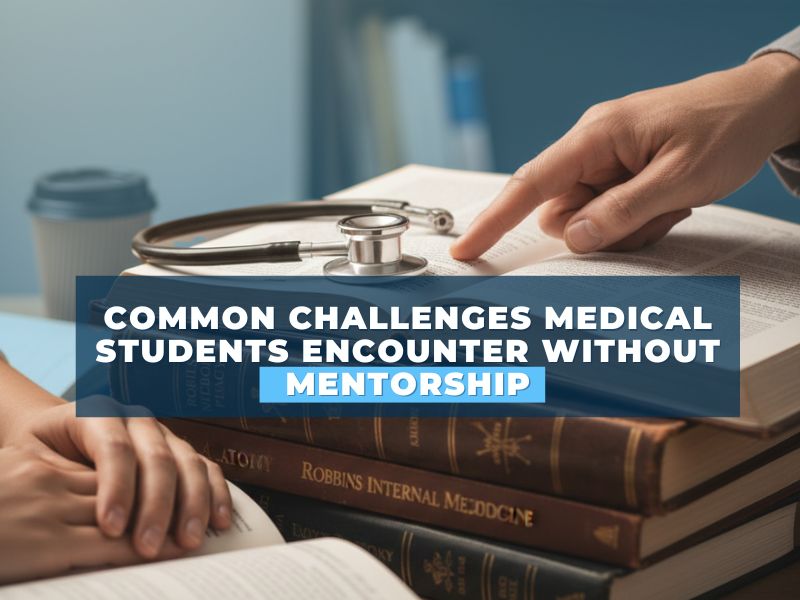
Without strong mentorship, medical students often navigate their training through trial and error, leading to missteps in career decisions, increased stress, burnout, and avoidable professional mistakes. The absence of guidance can leave students feeling isolated, overwhelmed, and unsure of their direction. Effective mentorship bridges this gap by offering clarity, accountability, and real-world insight, empowering students to grow with confidence, protect their well-being, and develop into competent, ethical physicians.
Why is mentorship important in medical education?
Mentorship provides guidance, real-world insight, and emotional support, helping medical students make informed decisions, build confidence, and navigate the academic and clinical demands of training.
What is the biggest problem in medical education?
One of the biggest problems is the lack of personalized guidance, leaving students overwhelmed by complex expectations, career choices, and rapidly evolving medical knowledge.
What is the biggest challenge in medical school?
The biggest challenge is balancing intense academic pressure with clinical responsibilities while maintaining mental health and long-term motivation.
Why is mentorship important for students?
Mentorship helps students avoid common mistakes, gain clarity on career paths, and develop both clinical competence and professional resilience.
Medical school is a rigorous journey, demanding academic excellence, clinical competence, and personal resilience. While textbooks and lectures provide foundational knowledge, mentorship is a critical factor that often determines whether a student thrives or struggles. Without proper guidance, aspiring doctors may make mistakes that could impact their academic performance, clinical skills, and long-term career prospects.
Mentorship goes beyond advice; it provides insight, perspective, and accountability. Experienced mentors, such as medical school consultants, help students navigate challenges, avoid common pitfalls, and develop strategies for success. Understanding the mistakes that can occur without proper mentorship allows students to proactively seek guidance and optimize their medical school experience.
Mistake 1: Inefficient Study Habits
Medical education demands immense dedication, and ineffective study habits can quickly lead to burnout or poor performance. Students without mentorship may overemphasize rote memorization rather than active learning, fail to prioritize high-yield topics, or ignore time management strategies.
For example, a student might spend hours reviewing every detail of a physiology textbook without understanding how to apply that knowledge in clinical scenarios. A mentor can introduce techniques such as spaced repetition, the Pomodoro method, or question-based review, ensuring study time is both productive and sustainable. Students who implement these strategies tend to perform better on exams like the MCAT and throughout medical school, demonstrating both comprehension and retention.
Mistake 2: Neglecting Clinical Exposure Early
Another common mistake is delaying clinical experiences. Shadowing physicians, participating in research, and volunteering in health care settings are vital for contextual learning and residency preparation. Without mentorship, students may not know which opportunities are most valuable, how to secure them, or how to maximize learning from these experiences.

Mentors guide students in selecting the right clinical rotations, connecting them with physicians, and learning professional etiquette. This guidance enhances both practical skills and the ability to reflect on experiences for interviews and applications. For pre-medical students, working with a med school consulting service can ensure early exposure aligns with long-term career goals.
Mistake 3: Underestimating the Importance of Networking
Networking is essential in medicine, but many students overlook it. Without mentors, students may not realize the value of connecting with faculty, peers, or professionals in specialty areas. Strong networks provide advice, letters of recommendation, research collaborations, and career opportunities.
A mentor can introduce students to conferences, research positions, and professional events, providing not just connections but also guidance on effective networking strategies. These relationships often prove pivotal during residency applications and future job searches, highlighting the mentor’s role in long-term professional development.
Mistake 4: Overlooking Personal Statements and Applications
Medical school applications are highly competitive. A poorly crafted personal statement or misunderstanding of application nuances can lead to missed opportunities. Students without mentorship may struggle to articulate motivations, experiences, and unique qualities effectively.
Working with a medical school application consultant helps applicants refine their narratives, highlight strengths, and address weaknesses. Consultants provide insight into what admissions committees value, ensuring that students present their best selves. Without this guidance, even academically strong students may fail to convey the qualities that make them stand out.
Mistake 5: Ignoring Work-Life Balance
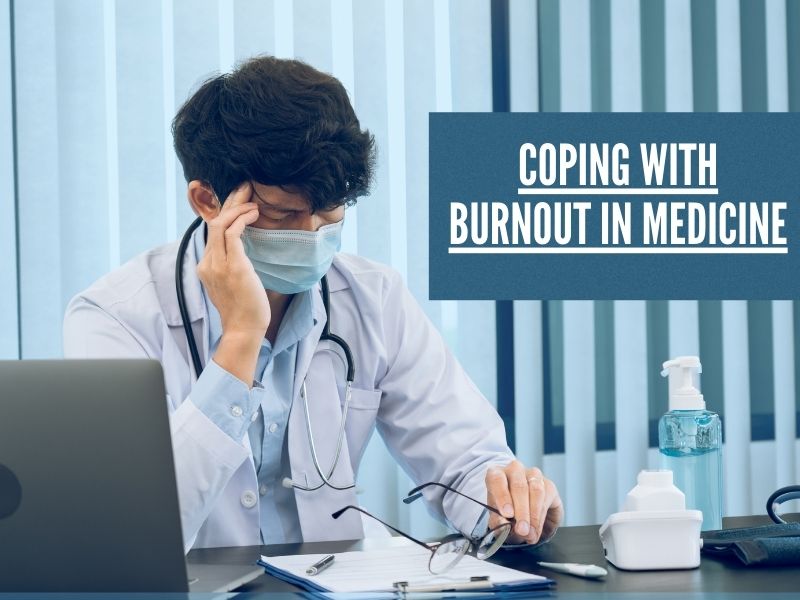
Medical students often face high stress, long hours, and emotional challenges. Without mentorship, students may neglect self-care, leading to burnout and diminished performance. A mentor provides perspective on prioritizing health, managing time, and developing resilience.
Strategies may include structured schedules, mindfulness exercises, and guidance on setting realistic goals. Mentorship ensures students balance academic and personal life effectively, maintaining well-being while excelling in their studies. This holistic support also prepares them for the demands of residency and clinical practice.
Mistake 6: Avoiding Feedback and Reflection
Feedback is essential for growth, but students without mentors may ignore or misinterpret critiques. Constructive criticism from professors, peers, or supervisors can help identify weaknesses and guide improvement. Mentors teach students how to receive feedback objectively and use it for continuous learning.
Reflection exercises guided by mentors encourage students to assess their strengths, identify growth areas, and develop strategies for improvement. Students who embrace feedback often show accelerated progress, improved clinical skills, and greater confidence in patient care scenarios.
Mistake 7: Misunderstanding Residency Preparation
Residency matching is complex, and lack of guidance can hinder planning. Without mentorship, students may misjudge program competitiveness, fail to research residency options thoroughly, or submit incomplete applications.

A medical school consultant Canada can provide strategic advice for residency preparation, ensuring students understand timelines, application requirements, and specialty-specific considerations. Mentorship in this phase helps students position themselves for success and make informed decisions about their future careers.
Mistake 8: Overreliance on Technology Without Understanding
Modern medical education often includes digital tools, simulation software, and AI-assisted study platforms. While these tools are helpful, students without mentorship may over-rely on them without critical thinking or contextual understanding.
Mentors teach students how to integrate technology effectively, applying insights to real-world clinical scenarios. This ensures students develop both technical proficiency and clinical judgment, rather than simply following software recommendations without comprehension.
The Benefits of Mentorship Beyond Avoiding Mistakes
Proper mentorship does more than prevent errors; it actively cultivates skills, confidence, and professional identity. Mentors serve as role models, demonstrating professionalism, ethical decision-making, and resilience. Students who engage with mentors report higher satisfaction, stronger academic performance, and improved well-being.
Mentorship also helps students navigate uncertainties inherent in medical training. From adjusting to curriculum demands to exploring specialties, mentors provide context and guidance that textbooks and lectures cannot. For international students, mentors familiar with Canadian medical education offer targeted advice that aligns with admission standards, licensure requirements, and career pathways.
Conclusion
Medical school is a demanding journey, and the absence of mentorship can lead to mistakes that compromise learning, clinical competence, and professional growth. From inefficient study habits to mismanaged residency preparation, these errors highlight the critical role of mentorship in shaping successful medical careers.
Students who seek guidance from experts—whether through med school consulting, medical school consultant, or medical school consultant Canada services—gain access to personalized strategies, industry insights, and ongoing support that help them avoid common pitfalls. Mentorship is not merely a resource; it is a catalyst for growth, confidence, and long-term success in medicine.
By connecting with MDconsultants Prep, students can receive expert guidance to navigate academic challenges, maximize clinical experiences, and prepare strategically for residency. Avoiding common mistakes is just the beginning—mentorship empowers aspiring physicians to excel in medical school and beyond, shaping them into competent, confident, and compassionate clinicians.
Related Reading: Tips for a Successful Medical School Application