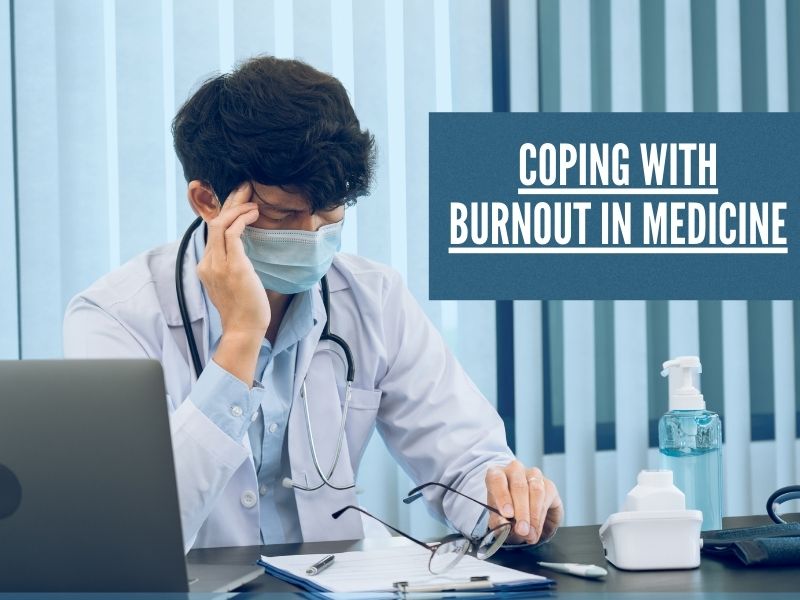
Medical school is rewarding, but it is also one of the most demanding paths in higher education. The most common challenges medical students face in Canada are heavy academic workload, stress and burnout, imposter syndrome, financial pressure, limited time for life outside school and uncertainty about career choices. The good news is that each one has practical solutions, and most students manage them far better when they plan ahead and ask for support early.
If you have searched for questions like “What is the hardest part of medical school?” or “How do medical students deal with stress?”, this guide answers them with a Canadian focus.
Why Is Medical School So Demanding?

Medical students absorb a very large volume of material at a fast pace, then move into clinical settings where they are expected to apply it while being evaluated. Most Canadian students also arrive after completing an undergraduate degree, so medical school follows years of study that already took time and money. The result is a high pressure environment where small stressors can accumulate.
Understanding the common pressure points is the first step to managing them.
Challenge 1: Academic Workload and Information Overload
The pace of medical school means students cannot read everything once and expect to remember it. Falling behind in one block can create stress in the next.
How to overcome it:
- Use active recall, such as practice questions and self testing, instead of rereading notes.
- Space your reviews over days and weeks so knowledge sticks.
- Plan each week in advance and protect fixed study blocks.
- Study with a small group when it helps you explain concepts out loud.
- Prioritize high yield topics tied to your curriculum and licensing exams.
Challenge 2: Stress and Burnout
Burnout is a real concern in Canadian medical education. A Canadian Federation of Medical Students survey reported in CMAJ found that around 37 percent of Canadian medical students met criteria for burnout. The federation’s past president noted that many stressors add up, even for students who are high performing and resilient.
Students who are struggling do not always seek help, in part because of fear of stigma. Waiting rarely makes things easier.
How to overcome it:
- Protect sleep, meals and movement, especially before exams.
- Schedule rest the same way you schedule study time.
- Use your school’s student wellness office, peer support and counselling services early.
- Talk with a trusted friend, mentor or family member before stress becomes overwhelming.
- If your distress feels heavy or persistent, speak with a health professional.
Challenge 3: Imposter Syndrome
Imposter syndrome is a state of doubting your abilities despite evidence of competence. It is common across medical training. A global systematic review of health service providers estimated its prevalence at about 62 percent, and a 2025 scoping review in BMJ Open described high rates across medical students and physicians.
How to overcome it:
- Remember that feeling unsure is normal in a field with constant learning.
- Keep a record of feedback, progress and wins, and review it when doubt appears.
- Talk openly with classmates and seniors, since many share the same feelings.
- Ask mentors for specific feedback so your self assessment rests on evidence.
Challenge 4: Financial Pressure

Medical education is expensive. The Association of Faculties of Medicine of Canada has reported that roughly 35 percent of graduating students carry 120,000 dollars or more in debt, and figures vary widely by school, province and living costs. Debt can influence stress levels and even career decisions.
How to overcome it:
- Build a realistic monthly budget before you start and review it each term.
- Apply for bursaries, scholarships and awards every year, not only in the first year.
- Meet your school’s financial aid office to understand all funding options.
- Learn how repayment works during residency before you borrow more than you need.
- Check current tuition and fee schedules, since costs change.
Challenge 5: Work Life Balance and Isolation
Long study days, clinical rotations and relocation for placements can strain friendships and family relationships. Some students feel isolated, especially when classmates seem to be coping better.
How to overcome it:
- Set small, regular commitments outside medicine, such as a weekly sport, call or meal.
- Keep one or two hobbies that have nothing to do with school.
- Be honest with loved ones about your schedule so they know when you are unavailable.
- Use class groups and student societies to build community.
Challenge 6: Career Uncertainty and the Residency Match
Choosing a specialty is hard when you have limited exposure and strong opinions all around you. The residency match adds pressure, because it feels like every elective and score counts.
How to overcome it:
- Use electives and shadowing to test your interests early.
- Seek mentors in more than one specialty before narrowing down.
- Build a backup plan, so the match feels less like an all or nothing outcome.
- Review how your choices affect training length, lifestyle and location.
Quick Summary of Challenges and Solutions
| Challenge | Why it happens | What helps most |
| Workload | Large volume, fast pace | Active recall, spaced review, weekly planning |
| Burnout | Accumulated stressors | Rest, early support, peer connection |
| Imposter syndrome | Constant evaluation and comparison | Specific feedback, mentorship, tracking progress |
| Financial pressure | High tuition and living costs | Budgeting, bursaries, financial aid advice |
| Isolation | Long hours and relocation | Protected personal time, community |
| Career uncertainty | Limited exposure, match pressure | Electives, mentors, backup plans |
How MDconsultants Prep Can Help
You do not have to work through these challenges alone. MDconsultants Prep supports aspiring and current medical learners with guidance built for the Canadian pathway. If you are already in training, explore our resources for medical students. If you are still preparing for admission, visit our pre med pages to plan your application and early study habits.
Frequently Asked Questions
What is the hardest part of medical school?
It differs for each student, but the most common difficulties are the heavy workload, constant evaluation, financial pressure and managing wellbeing over several years.
How do medical students manage stress?
Most combine good sleep, regular exercise, protected downtime, social support and early use of wellness services. Planning study time in advance also reduces last minute pressure.
Is imposter syndrome common in medical school?
Yes. Research across health students and professionals shows it is widespread, and talking openly with peers and mentors helps normalize the experience.
How can I reduce medical school debt in Canada?
Budget carefully, apply for bursaries and scholarships every year, speak with your financial aid office and understand repayment terms before you borrow.
When should I ask for help?
Ask early. If stress affects your sleep, studies, relationships or mood for more than a short period, contact your school’s wellness office or a health professional.
Conclusion
Medical school is hard, but the challenges are well understood and manageable. Strong study habits, early support, financial planning and honest conversations with mentors can turn pressure points into skills you will use throughout your career.
Ready to take the next step? Join MDconsultants Prep or contact our team to talk about your goals.