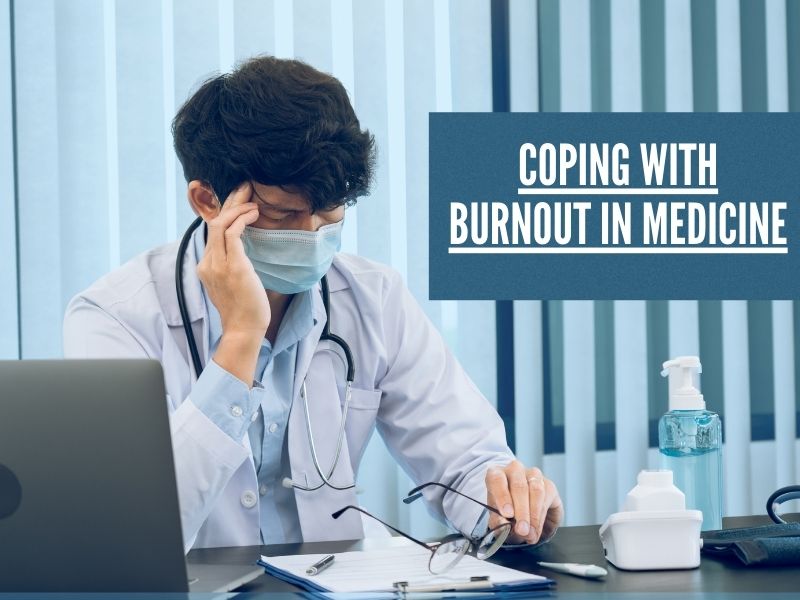
When students across Canada talk about elite undergraduate programs that can shape a future in medicine, McMaster Health Science consistently stands at the top of the list. It is widely recognized for its innovative learning style, extremely selective admissions process, and strong track record of producing students who go on to become successful medical students and later resident doctors.
What makes this program so talked about is not just prestige, but the way it trains students to think, analyze, and approach health problems differently from day one. However, with that reputation comes intense competition, strict expectations, and a lot of misunderstanding about what it actually takes to get in and succeed.
What is so special about McMaster Health Science?
The McMaster University Health Sciences program is known for its highly interactive, inquiry-based learning approach instead of traditional lecture-heavy teaching. It also emphasizes critical thinking, research skills, and early exposure to health-related problem solving, which makes it stand out among undergraduate programs in Canada.
What is the competitive average for McMaster health sciences?
Admission to McMaster Health Sciences is extremely competitive, with successful applicants typically having high 90s averages in high school. However, grades alone are not enough, as the program also heavily weighs supplementary applications, essays, and personal qualities.
What are the top 3 health science programs in Canada?
Some of the top health science programs in Canada include McMaster University Health Sciences, University of Toronto Life Sciences, and University of British Columbia Health and Exercise Sciences. These programs are recognized for strong academics, research opportunities, and pathways into medicine and other health professions.
Why is Mac health Sci so hard to get into?
The McMaster University Health Sciences program is difficult to enter because it receives thousands of highly qualified applicants for a very limited number of spots. Its holistic selection process, which focuses on critical thinking, communication, and extracurricular impact, makes it even more competitive than grades alone suggest.
What Makes McMaster Health Science Different From Other Programs
The McMaster Health Science program is not a traditional science degree. Instead of relying heavily on memorization and lectures, it uses inquiry-based and problem-based learning.
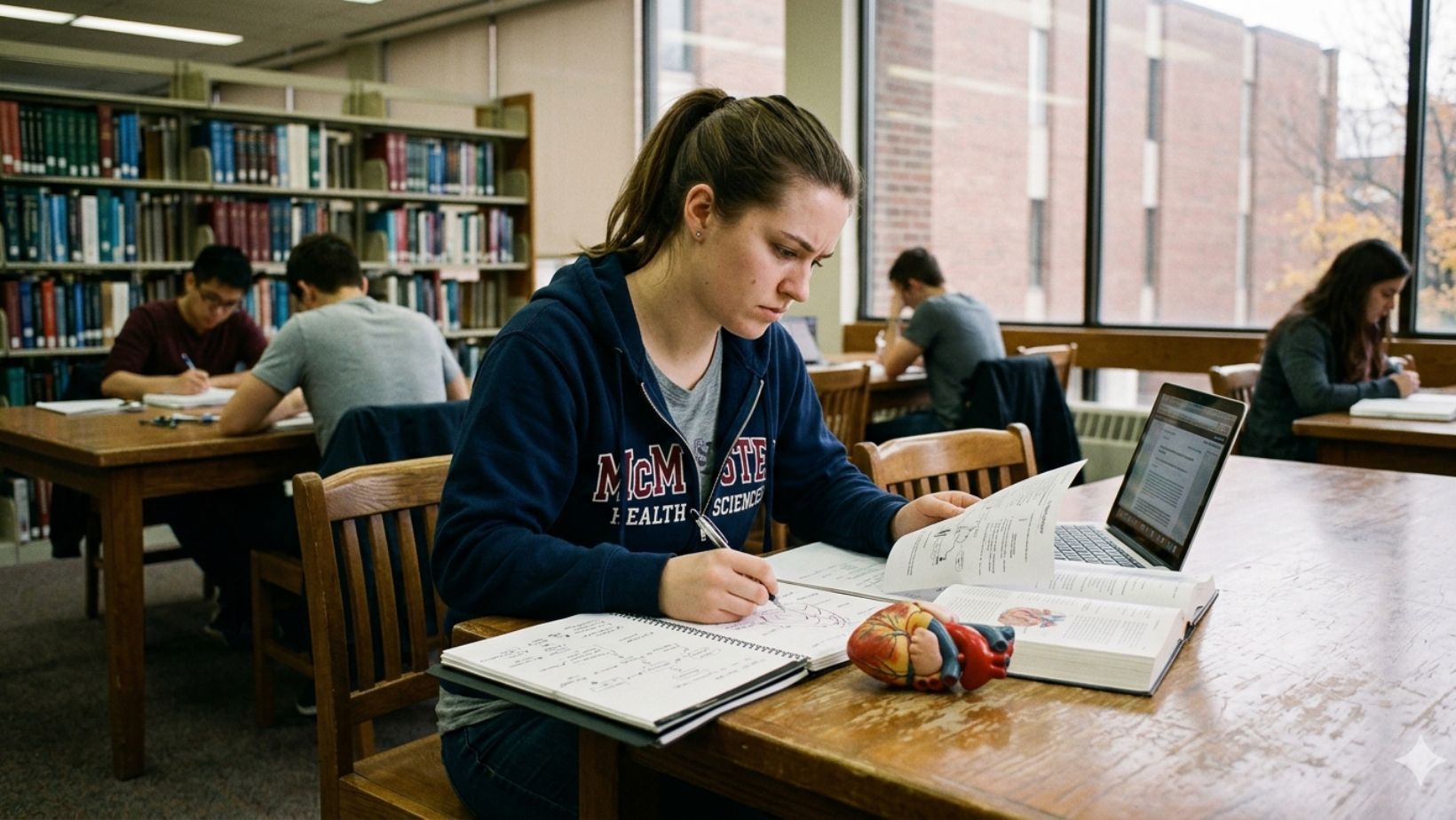
Students are trained to:
- Analyze real-world health scenarios
- Work in small collaborative groups
- Develop independent critical thinking skills
- Apply scientific reasoning to complex problems
This approach reflects how medical education works later in life. It helps students transition more smoothly into becoming a medical student, where clinical reasoning and problem-solving are essential.
Rather than focusing only on content recall, the program emphasizes how to think, not just what to know.
Why McMaster Health Science Is Extremely Competitive
One of the biggest reasons McMaster Health Science is so well known is its extremely low acceptance rate. Thousands of highly qualified students apply each year, but only a small fraction are admitted.
The competition is intense because:
- There are limited seats available
- Applicants often have near-perfect academic records
- The program attracts top-tier students nationwide
- The selection process heavily values critical thinking skills
Unlike many programs that rely mostly on grades, McMaster also evaluates supplementary applications that test reasoning, communication, and problem-solving ability.
This makes admission unpredictable, even for students with outstanding marks.
Understanding McMaster Health Science Requirements
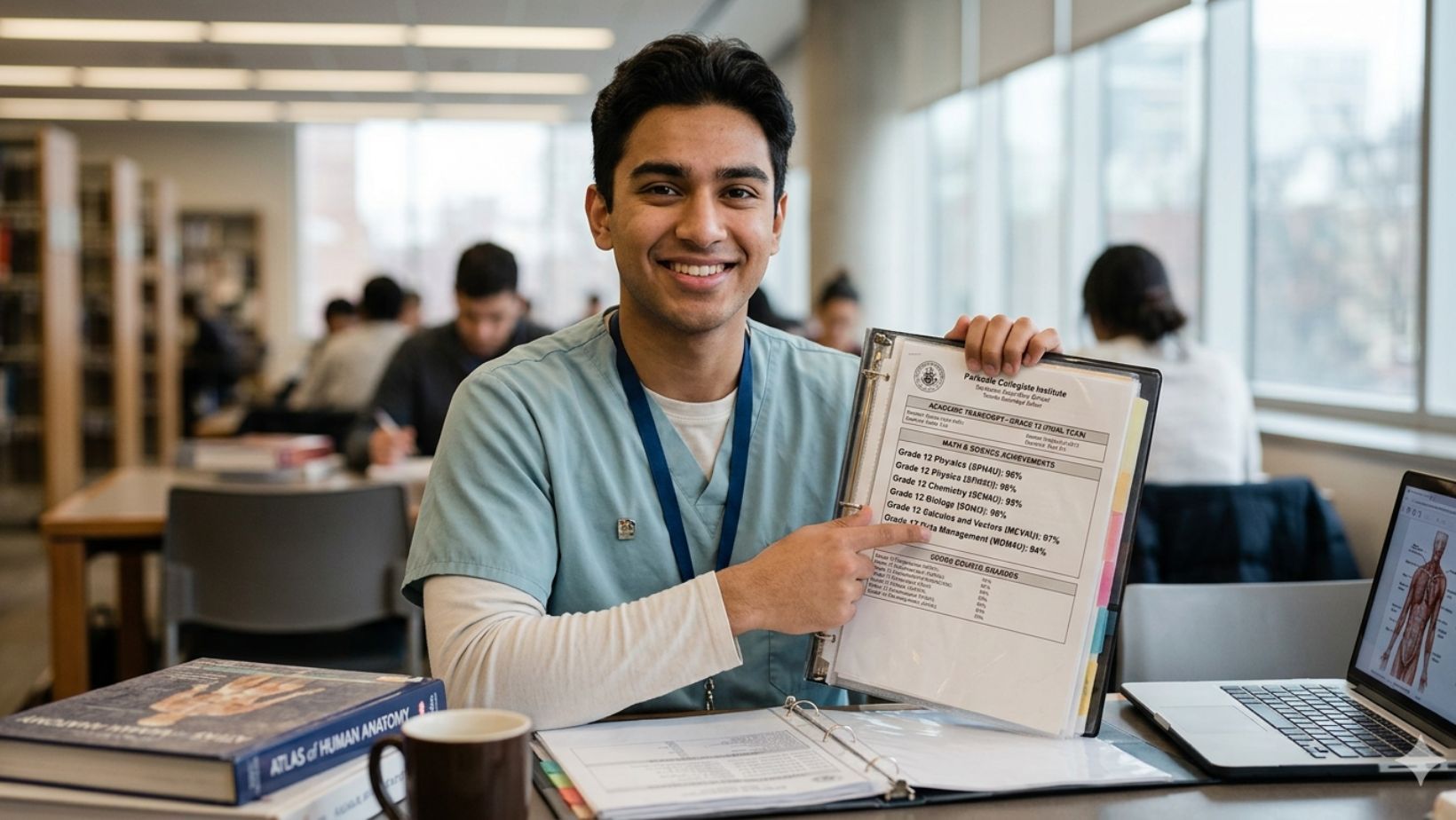
The McMaster Health Science requirements go beyond traditional academic expectations.
While strong grades are essential, they are not the only deciding factor. Applicants are typically assessed based on:
- High school academic performance, especially in science and math
- Supplementary application responses
- Written communication and reasoning skills
- Ability to think critically under pressure
This approach differs from many other science programs that rely heavily on standardized pathways, including MCAT prerequisites Canada, which are more commonly associated with traditional pre-med tracks.
Instead, McMaster focuses on how students approach problems, not just how well they memorize content.
Why the Program Is So Respected in the Medical Field
The reputation of McMaster Health Science comes from the success of its graduates. Many students go on to medical school, research careers, or advanced health sciences programs.
The program builds essential skills that are directly relevant to medicine, including:
- Clinical reasoning
- Scientific analysis
- Collaboration in team settings
- Communication of complex ideas
These skills are critical for success as a medical student, especially during clinical training and later residency as a resident doctor.
Because of this strong foundation, McMaster graduates are often well-prepared for the demands of medical education.
How McMaster Health Science Prepares Students for Medical School
Medical school is not just about memorizing facts. It requires students to think critically, solve complex cases, and communicate effectively with patients and healthcare teams.
The McMaster Health Science curriculum prepares students early by using real-world case studies and group-based learning.
Students develop the ability to:
- Interpret medical information logically
- Work through uncertain clinical scenarios
- Communicate reasoning clearly
- Apply science to practical health situations
This gives them a strong advantage when transitioning into medical school and eventually becoming a medical student.
However, it is important to understand that admission into McMaster Health Science does not guarantee entry into medical school. Students must still meet academic expectations, build experience, and in some cases complete MCAT prerequisites Canada, depending on the medical schools they apply to.
The Journey From Undergraduate to Resident Doctor
After completing undergraduate studies, students who pursue medicine continue their journey into medical school.
Once admitted, they move through medical training stages that eventually lead to becoming a resident doctor.
Residency involves:
- Hands-on clinical training in hospitals
- Long working hours under supervision
- Real patient care responsibilities
- Advanced medical decision-making
Students from McMaster Health Science often adjust well to this stage because they are already familiar with problem-based learning and collaborative environments.
Their undergraduate training gives them a strong foundation in critical thinking and adaptability, both essential for residency success.
Common Misunderstandings About McMaster Health Science
Because of its reputation, many misconceptions surround the program.
“It guarantees admission into medical school”
This is incorrect. While it provides strong preparation, students still need to apply and compete for medical school admission independently.
“Grades are not important”
Also false. Academic excellence is still a major requirement, even if it is not the only factor.

“It replaces MCAT requirements everywhere”
Not always true. Some Canadian medical schools do not require the MCAT, but others still do. Students must still understand MCAT prerequisites Canada based on their target institutions.
Why the Program Produces Strong Healthcare Professionals
The real strength of McMaster Health Science is how it develops mindset and adaptability.
Students are trained to:
- Think independently
- Work effectively in teams
- Solve complex health problems
- Communicate ideas clearly and logically
These abilities are essential in modern healthcare systems, where collaboration and decision-making are critical.
As a result, graduates often excel as future physicians, researchers, and healthcare leaders.
Why Strategic Preparation Still Matters
Even though McMaster Health Science provides a strong foundation, success in healthcare careers still requires long-term planning.
Students must continue to build:
- Academic excellence
- Clinical exposure
- Research experience
- Communication skills
Many students also seek guidance to better understand medical school pathways and expectations.
This is where structured preparation and mentorship can make a difference in navigating competitive admissions and healthcare careers.
Conclusion
McMaster Health Science is highly respected and extremely competitive because it offers a unique, inquiry-based learning environment that prepares students for the realities of healthcare education and medical training.
Its selective admissions process, focus on critical thinking, and strong reputation in producing successful medical students and resident doctors make it one of the most desirable undergraduate programs in Canada.
However, success in medicine still requires ongoing effort, awareness of McMaster Health Science requirements, and understanding broader pathways such as MCAT prerequisites Canada depending on future goals.
If you are planning a future in medicine and want structured guidance on applications, preparation strategies, and healthcare education pathways, MDconsultants Prep can help you navigate the journey with clarity and confidence.